
Remembering a cricket legend
I was sitting in a Government bus in Oistins Town in Barbados last Friday morning when there was a sudden wave of chatter backed by phones going crazy. My phone told me that Sir Garfield Sobers – cricket great – and officially National Hero of Barbados had died.
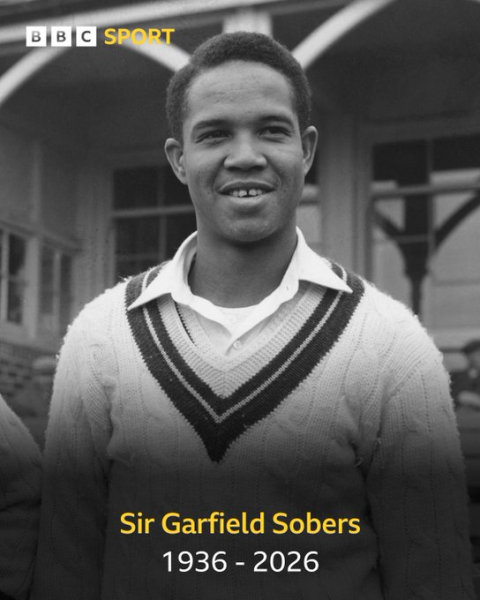
An incredible talent from aged 16, a Messi of cricket, Sir Garry could bat like Bradman, bowl quick like the very best, bowl spin like a magician, and was a fielding phenomenon. Now I am well aware cricket is not Scotland’s passion yet at my school (Kirkcaldy High School) back in the 50s we had a Barbadian (Bajan) cricket coach, DePeiza, and Fifeshire county club had a Bajan pro for 12 years.
But Sobers was special on and off the wicket. So much so he was knighted, but far more importantly he gave Barbados and indeed the entire British colonial Caribbean the sense of belief, indeed realisation that black West Indians could have agency, could be sovereign. Defeating England in two series in 1963 and 1966, Sobers led two victories against the colonial power with whom many Caribbean colonies were simultaneously negotiating independence. His awesome prowess provided confidence and pride: a soft liberating power via cricket. Cultural confidence can have a liberating social, psychological, and political significance often neglected.
It was the Trinidadian intellectual CLR James who famously declared: “What do they know of cricket who only cricket knows?” (quoted in his Beyond a Boundary). Since his time, the University of the West Indies has teased out that rhetorical credo by creating a cricket research centre in Barbados examining the social and political significance of the game. Prof Sir Hilary Beckles * has written extensively and indeed intensively on the material historical significance of cricket culture in the Caribbean.
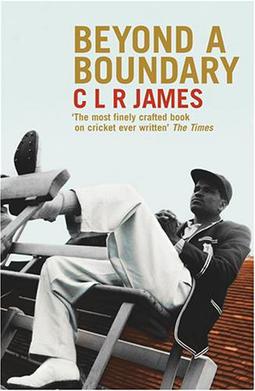
A vital cultural phenomenon led over 20 years by the great Sir Garfield Sobers who sadly had his last innings at the age of 89. May he rest in peace.
*Prof Beckles heads up the Caribbean Reparations Committee who recently added to its agenda by urging Britain to give up its Caribbean colonies Bermuda, the Cayman Islands, Montserrat and the British Virgin islands. Pirate havens for hidden offshore tax-free fortunes.

We are supported only by our readers. We don't have corporate backers and we don't take advertising, so we rely entirely on your support.
Help to support independent Scottish journalism
Have I got the right ERA? I have an amusing memory of the headlines of the time – BLACKWASH
Not the only cricketer from Barbados who had a great influence on Scottish cricket. Nigel Hazel was the professional at Strathmore Cricket Club from the early 1950s, a huge influence on cricket in the area, much revered and sadly missed.
Different era. Sobers career ended in 1974 just before the period when the West Indies spent the next 20 years as the greatest team ever. The Blackwash was 1984 when they beat England 5-0 in a test series.