
Scottish musicians in open revolt against BBC Scotland
More than 300 leading figures from music and culture in Scotland have signed a letter calling on BBC Radio Scotland to pause and consult on planned changes to its late-night scheduling, believing they will have a detrimental, lasting impact on artists and the wider music community.
An open letter signed by some of the biggest names in Scottish music and culture calls for consultation before BBC Radio Scotland presses ahead with replacing its curator-led specialist music programmes – warning the shift towards playlist-led “mainstream, easy listening” output risks severing a key route for emerging Scottish artists.
The artists signing share one key thing. They received their first radio plays in these late-night freeform spaces, often the first step up from local word of mouth to a national audience. They warn that the planned move towards mainstream, playlist-led shows will reduce that vital stepping stone for emerging Scottish artists.
Signatories include Jacob Alon, Billy Kennedy of Frightened Rabbit, Idlewild’s Rod Jones, Nadine Shah, James Yorkston, Rachel Sermanni, Robert Allan (Glasvegas), Dot Allison, Kathryn Joseph, Emma Pollock, Fergus McCreadie, Duglas T Stewart (BMX Bandits), Ross Wilson (Blue Rose Code), and many others.
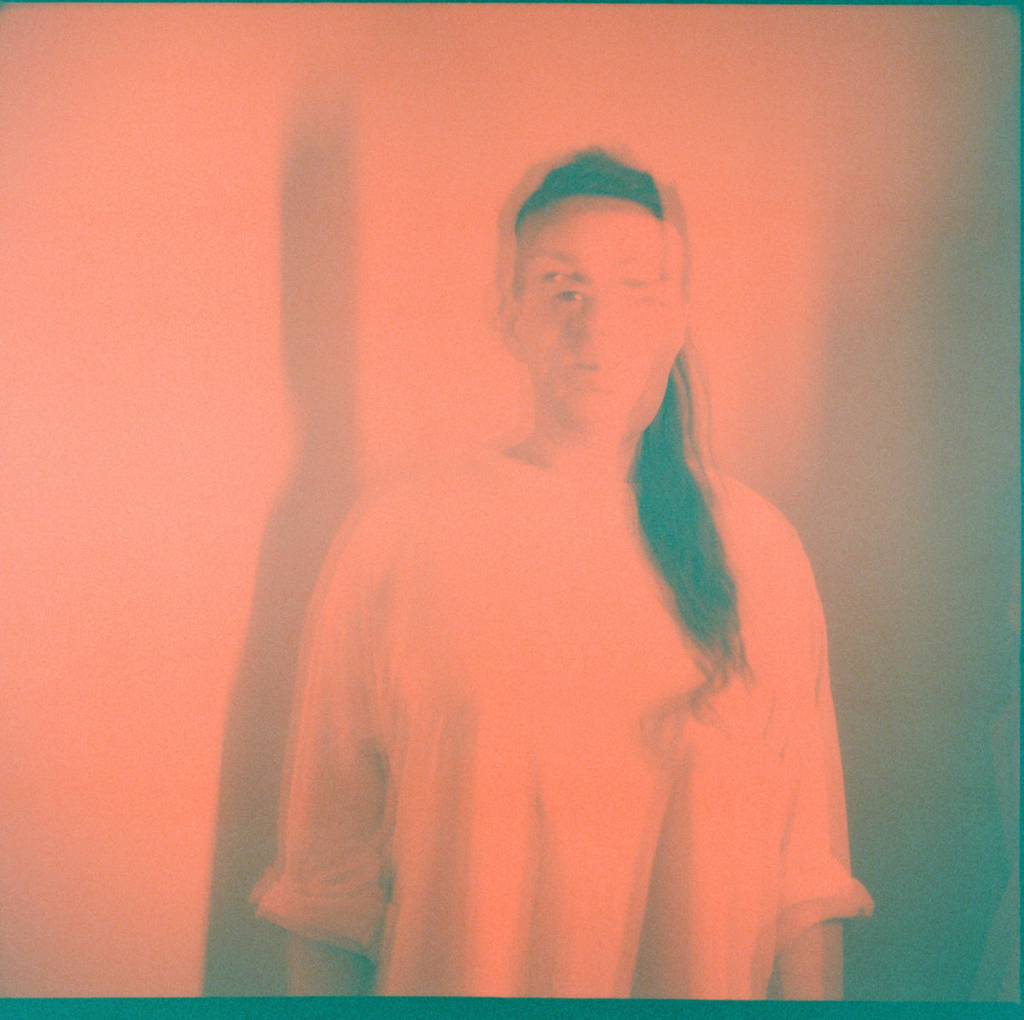
Kathryn Joseph
The open letter, which also has the backing of the Scottish Music Industry Association, Scottish Music Centre, Musicians’ Union, Music Venue Trust and other industry organisations, was co-ordinated by Stephen McAll of Constant Follower.
It follows a decision by BBC Radio Scotland leadership to replace the current curator-led late-night music discovery line-up from January 2026, including specialist programmes presented by Iain Anderson, Roddy Hart, Billy Sloan and Natasha Raskin Sharp.
The BBC’s commissioning document for the incoming late-night slots sets out “a new five-night late-night show”, with a playlist-led “mainstream, easy listening” music policy to “appeal to audiences aged 45+”.
McAll, who has been among those leading efforts to see the decision reconsidered, said: “The BBC is replacing the current six late-nights of curator-led freeform programming, with a single five-night playlist-led easy listening show for over 45’s, and a playlist-led weekend show. If the BBC wants to know what these late-night cultural spaces that we’re losing are worth to the Scottish music ecosystem, it only has to look at the names on this letter.”

Stephen McCall, from Constant Follower
“Almost every artist who signed started out with an early play and a few kind words from one of these programmes. Together we are saying: these late-night spaces are where the careers of Scottish musicians begin; it is where our audiences first meet us.”
“Scrapping these freeform cultural spaces is not a tidy schedule change, it is pulling away a piece of the foundation of music in this country. We are asking the BBC to stop and engage in meaningful consultation with us, the listeners and the musicians, before it does that.”
Karine Polwart (Musician,Writer) said: “What’s the point of a national publicly funded broadcaster in Scotland if it retreats from its own stated commitment to support home-grown talent, make space for diverse Scottish storytelling and take creative risks? How exactly does this support Scottish music and culture?”

Karine Polwart
Musician/Writer Darren McGarvey said: “Public funding is meant to protect the BBC from the excesses of commercialism, not bankroll a poor imitation of it. With this move, BBC Scotland may hope for broader appeal, but it comes at the cost of credibility and cultural depth. It is a terrible decision, and they can hardly pretend otherwise.”
Singer-songwriter Josienne Clarke: “There are so few places where you have discerning curated exposure like that on a national platform. These kinds of decisions may seem small but they’re critical to our cultural health. New and smaller artists need champions and a platform. Even the big bands everyone loves needed a DJ to spin their first record. You’ll never get those bands if you don’t give new music a chance.”
The problem is adding to the ongoing turmoil at BBC Scotland, which seems to many to be an institution not fit for purpose and lacking in leadership, direction and ambition on multiple levels. There seems to be no ambition or directive for BBC Scotland to be a place that curates, nurtures and develops Scottish artistic and cultural talent. This can be seen not just in Radio Scotland, but across programming. It’s a topic we’ve covered before:
London-based companies dominate BBC output in Scotland
The Traitors, another Ofcom and BBC Failure for Scotland
If the plans go ahead, it would seem that BBC Scotland would double-down on its commitment to an older audience, cut-off opportunity for new breaking artists and indulge in a bland easy listening service that is already being supplied across other radio stations. Scottish musicians punch well above their weight for the small size of country we are, and here is a unique opportunity for BBC Scotland to be the sort of public broadcaster the nation needs.
The open letter is being sent to is being sent to senior BBC executives in London and Glasgow, the Scottish Government’s Cabinet Secretary for Constitution, External Affairs and Culture Angus Robertson MSP, the Secretary of State for Culture, Media and Sport Lisa Nandy MP, Minister of State (DCMS) Ian Murray MP, the Secretary of State for Scotland Douglas Alexander MP, and broadcast regulator Ofcom. It reads:
Dear BBC Radio Scotland,
We are musicians from or based in Scotland who are concerned about BBC Radio Scotland’s plan to replace its long-standing late-night music shows, and the presenters and production teams behind them, with five nights of generic playlisted pop music. In the station’s own tender, you set out a new music policy that reduces space for emerging Scottish artists in favour of “…mainstream, easy listening tracks which will appeal to audiences aged 45+.” (BBC Radio Scotland Late Night Music ITT, Commissioning Owner: Head of Audio, Sept 2025)
Despite our different disciplines, genre or stage we’re at in our careers, there is one thing we share as a group.
It was BBC Radio Scotland’s late-night shows that gave our music a chance.
That is why this letter comes from a place of deep gratitude for what those programmes have done for us, and at the same time from grave concern that the next generation of Scottish musicians may never be given the same chance.
For some of us, that chance was given by Iain Anderson. For others it was Roddy Hart, Billy Sloan, Natasha Raskin Sharp or an earlier late-night voice. The details may differ, but the story is the same.
A trusted presenter plays our song and says our name on national radio for the first time. Listeners’ ears, and industry doors that were previously closed, begin to creak open. That single play announces to promoters, funders, labels and audiences: this is someone worth paying attention to.
BBC Radio Scotland is the only station in Scotland that has anything that comes close to that level of career-igniting clout. And within BBC Radio Scotland, it is the curated late-night shows that provide that space where exciting new music can be discovered, and new artists introduced to Scottish listeners.
This is what is at risk if the current late-night programming led by experienced presenters and producers is replaced by “mainstream, easy listening” playlisting as planned.
A playlist doesn’t give you an enthusiastic and globally respected quote you can use on tour posters, press releases or the sleeve of your debut EP. Neither does a playlist go to small gigs by unknown bands, or offer encouragement and advice to young, upcoming artists. Nor does it get quietly excited about a new demo that nobody has heard, or pick up the low-level talk in the scene that says, “you might want to hear this”…
No, it’s the deeply passionate music-lovers, who have spent their working lives inside the Scottish audio landscape, who do these things. People who have lived with a lifetime of records, bands and live sessions and can recognise something that needs to be heard. People who, from the hundreds of thousands of tracks released every day, find and quietly back an artist or a song they believe in before it disappears into the noise. People who connect the dots across the musical spectrum for listeners with stories and context, and introduce us to our new favourite records by artists old and new. People who gave the Scottish artists who came before us their first chance, and who will give the Scottish artists after us their first chance.
These are the trusted voices of our late-night radio. We do not want to lose them.
We understand that schedules change and that the audio world is competitive. But as you meet to decide what comes next, we ask that you consider your public service remit and obligations.
Under your own service licence and Ofcom’s operating licence, BBC Radio Scotland is expected to reflect Scotland’s life and culture, “offer specialist music” as well as popular music, support established talent while refreshing it “with new voices and contributors”, “commission independent output” and provide “content and music of particular relevance to Scotland”, contributing to the nation’s creative economy.
It is difficult to reconcile your current plans with that remit.
If, like us, BBC Radio Scotland wants our country to have a vibrant, evolving music culture that continues to punch above its weight on the global stage, we need spaces on BBC Radio Scotland where new artists can be introduced to people who are actually listening; spaces that are guided by presenters and producers who know the Scottish musical landscape intimately and who understand and champion the incredible creativity our emerging musicians have to offer.
For our own careers, those early discovery moments have already happened. This letter is about the artists who are just now writing their first songs or making their first recordings, wondering if anyone will ever hear them.
We do not want the gate to be closing on them just as they reach it.
We repeat the Scottish Music Industry Association’s first request, and respectfully ask that you pause implementation of these programme changes until meaningful consultation with Scotland’s music sector (including artists, industry organisations and audiences) has taken place to assess the cultural, economic and creative impact your plans will have on our music and creative community.
With gratitude,
Stephen McAll (Constant Follower), Honeyblood, Justin Currie (Del Amitri), Eddi Reader, Rod Jones (Idlewild), Nadine Shah, The Bluebells, James Yorkston, Rachel Sermanni, Robert Allan (Glasvegas), Dot Allison, Billy Kennedy (Frightened Rabbit/Haiver), Kathryn Joseph, Gerard Love, Jacob Alon, Emma Pollock, Fergus McCreadie, Duglas T Stewart (BMX Bandits), Jim McCulloch (Snowgoose/The Soup Dragons), Iona Zajac, Hamish Hawk, Aidan O’Rourke (Lau), Rock Action Records, James Mackintosh (Shooglenifty), Admiral Fallow (Louis Abbott, Sarah Hayes, Phil Hague, Kevin Brolly, Joe Rattray), C Duncan, Dean Owens, Audrey Tait (Franz Ferdinand), John R Douglas (Trashcan Sinatras), Niteworks, Darren McGarvey, Chris Thomson (Friends Again/The Bathers), Johnny Lynch (Pictish Trail/Lost Map), Josienne Clarke, Daniel Wylie (Cosmic Rough Riders), Andrew Wasylyk, Andrew Pankhurst (Constant Follower), Andy Monaghan (Frightened Rabbit/Monohands Records), Ross Wilson (Blue Rose Code), Iona Fyfe, Eric Bogle, Manda Rin (Bis), Carlo Kriekaard (VLURE), Rick Anthony (The Phantom Band/Afterlands/Rick Redbeard), Jo Mango, Callum Easter, Kaela Rowan (Shooglenifty), Michael McGoldrick, Neil Pennycook (Meursault), Tamzene, Steven Clark (Bis), John-Paul Hughes (Helicon), Findlay Napier, David MacGregor (Broken Chanter), Humour, Mokusla, Chris Bainbridge (Man of Moon), Lizzie Reid, Tommy Perman, Amy Campbell (Constant Follower), Beth Malcolm, Liam Chapman (Andrew Wasylyk/C Duncan/Billy Nomates), Waverley, Elisabeth Elektra, Ian Turnbull (Broken Records), Miwa Nagato-Apthorp, Jonnie Common, Kessi Stosch (Constant Follower), David Guild (Constant Follower), Gareth Perrie (Constant Follower), Brendon Massei (Viking Moses), Pippa Blundell, Matt Carmichael, Kim Grant (Raveloe), Lukas Clasen (Sulka), Lizabett Russo, Pedro Cameron (Man of the Minch), Fiona Liddell (Gefahrgeist), Bart Owl (Lost Map), Jill O’Sullivan (Jill Lorean), Aimless Play, Matthew Hickman (Brownbear), Phillip Jon Taylor (PAWS), Darren Coghill (Neon Waltz), Sylvia Rae (btw), Dan Wilson (Withered Hand), Adam Rhodes (Mec Lir), Her Picture, John Miller and his Country Casuals, F.O.Machete (Natasha & Paul), Wojtek the Bear, Jamie Swanson (Neon Waltz), John McAlinden (Colonel Mustard & the Dijon 5), Ceylan Hay (Bell Lungs), Crawford Mack, Laura Jane Wilkie, Adam Stafford, Dave Arcari, Annie Booth, James Hackett (The Orchids/Montjuïc), Eyes of Others, Jamie Houston (Attic Lights), Noel O’Donnell (Attic Lights), Kev Sherry (Attic Lights/Disco Mary), Heidi Talbot, Samuel Joseph Smith (The Green Door Studio), Rhona Macfarlane, Kevin P. Gilday (Kevin P. Gilday & The Glasgow Cross), Mattie Foulds (Karine Polwart), Watters, Fraser Fulton (Midnight Ambulance), Morgan Morris (No Windows), Verity Slangen (No Windows), Scott William Urquhart, Rosie H Sullivan, The Bothy Society, Matthew McGoldrick (The Vegan Leather/Gallus), Sophie Bancroft, Joe Smilie (Modern Studies/Afterlands), Xan Tyler, Leif Coffield, Gillian Frame, Angus Lyon, Philip Joseph Rae, Yvonne Lyon, George Miller (The Kaisers), The Narcissist Cookbook, James Vettese (Cyrano), Findlay Smith (Her Picture), Vivien Scotson, Colin Hamilton (Yolo Manolo/Quitter), Josephine Sillars, Alex Aplmer (Azamiah), Kate Lazda (Lost Map), Clare McBrien (Mima Merrow), Martin John Henry (De Rosa), Laura Silverstone, Norman Paterson, Sean McGeoch (Stara Zagora), Tony Morris, Inge Thomson, Indoor Foxes, Mary Young (Yolo Manolo), Ross Mackenzie (Yolo Manolo), Louise Quinn, Ian Carmichael (Montjuïc), Thomas Cameron (Tomorrow Syndicate), Ross Wilson (The Strange Blue Dreams/The Shiverin’ Sheiks), Greg Mitchel (Woodwife), Mikey Grant (Colonel Mustard & The Dijon 5/Dumb Instrument), Vetchinsky Settings, Warren McIntyre (Starry Skies/Warren James), Kris Boyle, Kenny Bates (Quitter), Scott Ashworth, Katherine Aly, Dave King (Gurry Wurry), Adriana Spina, Des Horsfall, Ags Connolly, Zoë Bestel, Donald S Murray, Leo Bargery (Day Sleeper), LUSA, Joseph Innes (Carsick Charlie), Catherine Rudie (So So Sad), Bobby Motherwell (Sulidae), Katya Mansell, Jeremy Thoms (Stereogram Recordings), Jonni Slater, Andrew Howie, Becci Wallace, Flew The Arrow, Drew Morrison and the Darkwood (The Country Soul Sessions), Mark O’Donnell (Tomorrow Syndicate), Gerard Espie (Tomorrow Syndicate), Niamh Downes (Neev), Joe McMahon, Niamh Corkey, Seán R. McLaughlin, Ian McCalman (The McCalmans), William Gill (Music Producer/Recording Engineer), Jemima Thewes, Gary Clark, Caragh Nugent (Caragh), Sian, David Luximon, Edwin McLachlan (Day Sleeper), Maaike Siegerist (Dora Lachaise), Elaine Lennon, Kit Clark (Danny Wilson/The Swiss Family Orbison), Sheena Wellington, Paul Tasker, Jim lever (Strawberry Hill band)

We are supported only by our readers. We don't have corporate backers and we don't take advertising, so we rely entirely on your support.
Help to support independent Scottish journalism
Well the Solution is simple enough to state! Independence.
Not a cheep out most of these signatories since 2014. Every other recent European independence movement enjoyed the open leadership and support of indigenous musicians. We have a self protective silence.
BBC is not a national broadcaster, simply a regional branch of an imperial state broadcaster! What do you expect? Respect??
“Not a cheep out most of these signatories since 2014.” Not true, I can think of several who have been outspoken.
Great letter, wonderful set of signatories, and a cause which is vital for protecting Scottish culture. Should all of who have an interest in Scottish music and culture write to our MSPs and MPs? It’s a thought. Also, a Petition for all of us to sign at the upcoming Celtic Connections is an idea. Once we lose our Expert-Led, curated broadcasts we will never get them back. We must stop this abomination.
Unfortunately the schedule changes have already been made and published.Roddy Hart will be on Saturday and Sunday nights from January 10th (supposedly including new Scottish music) whilst ex Radio Clyde presenter Lynne Hoggan will take over the Monday-Thursday late show from January 5th.Iain’s last show is on Monday 29th December.
Very sad. Almost no consideration was given to loyal listeners in both Scotland and around the world. The gap between the announcement and its execution was tiny, deliberately designed to fend off any protest.
If our Public Broadcaster makes a grave mistake which causes public outcry from a large swathe of the professionals working in the sector, as well as most of the concerned industry bodies, then of course there’s no such thing as ‘too late’ to fix it or backtrack.
I agree and the BBC has backtracked in the past like with the axing of some of its in-house ensembles a few years ago. So well worth kicking up a serious fuss.
Indeed!
It’s deliberate, a part of a wider policy of erasing everything which reflect Scotland’s identity. BBC Scotland and the network represent nothing of Scotland. The same scorched earth policy they employ in politics, making a desert and calling it peace.
Fully agree. It’s cultural vandalism, driven by bbc radio Scotland’s unwavering hatred of anything vaguely supportive of Scotland.
Why do you think the BBC want to erase Scottish identity? In fact, they promote it in all kinds of ways. Maybe not the ways you want or like but I see little evidence of a desire for erasure and cannot think why they would want to anyway. It makes zero commercial or cultural sense. Standing for British identity as in the British Broadcasting Corporation is not mutually excusive of Scottish identity, it is just that nationalists do not like that form of identity.
There is no basis for assuming that BBC Scotland is acting rationaly on the matter. People and institutions frequently don’t. The BBC’s behaviour is driven by a deeply ingrained ideology. The enthusiasm for Scottish culture displayed by Unionists like Walter Scott and John Buchan in past generations is long dead. It has been replaced by a muscular British Unionism which sees any expression of Scottish culture as potentially threatening, and therefore suspect and to be treated disdain. As the United Kingdom and confidence in it have declined, those who cling to British identity have become more defensive and insecure, and that identity has become much more exclusive of Scottish identity than it ever was before.
Fully agree, Graeme. Like a majority of Scots according to the most recent census I identify as only Scottish, not British. I fully support those who identify as English or Welsh or Irish; they, like me, will never be British and our country is not the “UK “.
But the point I am making is that the two are not mutually exclusive. Only hardcore nationalists think this because they are as blind as the muscular unionists. The BBC do not want to erase Scottish identity / culture. They axe stuff all the time to save money but that does not mean they actively want to erase that thing in general. It is nonsense to suggest such a thing.
But I think the point Graeme is making is that this may not be rational, deliberate. But it is difficult to see how, for example, if you look at the paucity of output – see the example of The Traitors as explored here: https://bellacaledonia.org.uk/2025/01/10/the-traitors-another-ofcom-and-bbc-failure-for-scotland/ that the service doesn’t serve Scotland well.
The reasons for this can be debated, but the reality can’t really.
Yet another manifestation of the weird ‘not really national’ status of Radio Scotland. In BBC terms it’s treated like a minor local station. On BBC Sounds online it’s dwarfed by the many English, Welsh and NI stations, the former taking most of the space.
Budget wise radio is cheap but done properly it engages with the listener in a way TV can’t. Scotland needs Indy of course and then there could be two radio channels. As it is some of these soon to be missed voices already have had their programmes cut for football.
A decent dedicated music radio channel would gain listeners. Then there could be another one for book chat, Scottish politics and fitba’. You can but dream.
A heartening level of support, from an impressive who’s who of Scottish music.
I feel the BBC do not care, and will not back down. It’s all about saving money. For example they had an amazing asset in the Quay Sessions, and never restored it to its full glory after COVID.
Same applies to “Hogmanay Live” a fantastic actually live show from the Old Fruit Market, with great varied acts each year replaced with a much scaled-down tepid pre-record from PQ hosted by the BBCs favourite unionist Susan Calman.
BBC pulled a similar stunt at R2 some years ago, “not renewing” their post midnight DJs shows (Janice Long RIP, Alex Lester, etc) replacing them with automated playlists, only for new more bland cheaper shows to replace the automated shows not long after. Janice’s show in particular was a massive loss, very similar to Vic Galloway’s current show on RS with loads of cool bands queuing up to do sessions for her. Just try R2 after midnight now, complete garbage, similar to what I assume this 45+ easy listening tender for RS will produce.
On that note, how long before Vic’s show, or Travelling Folk get the boot?
As regards independence, the vast majority of these artists (in common with most creatives) are pro-indy, but obviously cannot discuss it near the BBC for fear or retribution or some form of unofficial blacklisting. The same applies for a lot of their DJs.
Don’t forget, more or less every news bulletin ever broadcast in and around these programmes started with a story beginning “The SNP have been accused…” or “The Scottish Tories claim…” and lately “Donald trump has…” or more guff about that nurse’s tribunal…. Pathetic negativity and right wing drum beating seems to be the main purpose of BBC RS news.
You are right.Although I wish everyone well with their efforts the BBC will not give in,we had the same thing with programmes on BBC Local Radio in England with some very valid programmes taken off despite many protests-the BBC just say something on the lines of we are moving with the times and radio audiences have moved on and want different things etc,etc but really it’s about saving money.These Radio Scotland shows that are being taken off are made by an independent company so they are not dismissing them from the BBC as such as they were obviously freelances-not that it makes it anymore satisfactory.The BBC have already defended their latest actions by saying that Scottish music will still be featured in shows like Roddy Hart at the weekend and the 8pm programmes with the likes of Vic Galloway,Anna Massie,BBC Introducing and Quay Sessions.I will greatly miss the late night shows and Iain in particular,I’m sure the new weekday show at that time will be much more mainstream and like the stuff networked on BBC Local radio instantly forgettable,it’s very sad but I assume it’s all part of a money saving exercise which involves playlists increasingly using computerised lists of stuff designed to appeal to mass audiences rather than being individually put lovingly together by producers as has been the case with the shows that are being lost.
Completely agree Ian.
Let’s not forget BBC RS pulled this same stunt in 2023, canning Classics Unwrapped, Jazz Nights and Pipeline.
This dispute a massive backlash and musicians campaign, similar to this one.
Jamie MacDougall (presumably a bit like Roddy Hart) must have the right connections or tolerance for show downgrades and wage-reductions as his show reappeared not long after renamed Classical Now.
It’s all well and good with them citing Travelling Folk and Vic Galloway as examples of them championing Scottish Music, but we really can’t trust them with these shows either. 2023, 2025, wonder when the next culling will be? Hmmm….
As you say, same thing has happened all over BBC Radio. Local stations budgets have been cut to the bone. Niche stuff binned from R2, Listen to the Band (another tragic loss to me), The Organist entertains, etc.
The problem is, *only* the BBC can put stuff like this out. There is no way on earth Global, or Bauer, or whoever are going to host a show like Iain Anderson’s or Natasha Raskin Sharp’s. They stick in heir lane, with inane “Smashey and Nicey” DJs and the same old songs on repeat all day, which is fair enough. The BBC does not need to get in the same lane behind them, churning out the same rubbish.
It’s so frustrating, dealing with the “Why are you paying your license fee?” brigade, as I’ve always said I hate a lot of what the BBC get up to with my money, but I’m more than happy to pay because of the fantastic radio output. It’s getting harder and harder to offer up this reply.
Out best hope is that maybe another less pathetic BBC station might pick some of these fantastic shows up, maybe Radio Ulster or Radio Wales? Or maybe even RTE?
Victoria Easton-Riley’s contract should be terminated. Hayley Valentine should be replaced by someone with a commitment to public service broadcasting of quality in Scotland. A new start should be made.
The stakes here are too high to do nothing and allow culturally ignorant managers to rob Scottish audiences of the few remaining hours of significant and meaningful programming left on BBC Radio Scotland.
Together, the producers, presenters, listeners and artists of these programmes represent a community in any sense that matters. I’m in my 60’s, but find it ludicrous that a marketeer imagines I’ll tune in to a play-list denuded of context and churned out by a team with no passion for the carrying stream of musical artistry, new as well as ancient, international as well as Scottish. The range of music, conversations and information aired on these evenings constitutes one of the few opportunities people across Scotland still have to feel part of something shared. Far from inward-looking or parochial, these programmes offer us a sense of place alongside global peers – a feeling of worth, brotherhood and sisterhood that connects us nationally and internationally in terms that are about our shared humanity – absolutely the counterweight to all the competitions, jingoism and ‘reality’ media we’re all drowning under.
BBC Scotland is facing challenging times. Insist, in any way you can, that directors must rise to the challenge by starting to trust the community they are there to serve – The people of Scotland – instead of the meme they seem to have in mind.
Beautifully expressed. I agree with and cherish every word. I’m in my eighties and quite frankly I don’t know where I will find another source of music, education, cultural information and companionship that can replace the output provided by the soon-to-be banished quartet. The unwanted change must be stopped.
I am hoping that the presenters (Iain,Billy and Natasha) will turn up elsewhere and if they do in due course I will post information to that effect.As previously mentioned Roddy will be on Saturdays and Sundays from 10th January at 10pm (Sat) and 9pm (Sun).
So if the BBC still go ahead with their awful plan, would there be a chance to set up an independent station?
There are ways they might continue to do shows either by joining another station or doing podcasts,I’ll certainly be keeping my eyes and ears open to see what happens as I’d like to continue to hear them wherever.
Clearly this is deliberate cultural sabotage.
It is.
I agree.
I’m well over 45 (78 last week) and the last thing I want is bland, “easy listening” at any time of day.
I’m in Sydney, so I listen to Iain, Natasha, Billy and Roddy live in the morning, or on playback later.
This will leave a huge gap in my day.
What about “Travelling Folk”? Are we at least saved that?
Ach weel, I’ll still have Tony B on Radio 2, unless “Sounds of the Sixties” is too wild for BBC executives down. South.